Source Carbon Fiber Pressure Washing Pole for Cleaning
Find 30 carbon fiber pressure washing pole options for window cleaning, solar panel maintenance, and general washing tasks. Compare telescopic lengths, materials, and specifications to select the right tool for your industrial or commercial needs; compare the available evidence and request quotations based on your requirements.
Key considerations
Products List


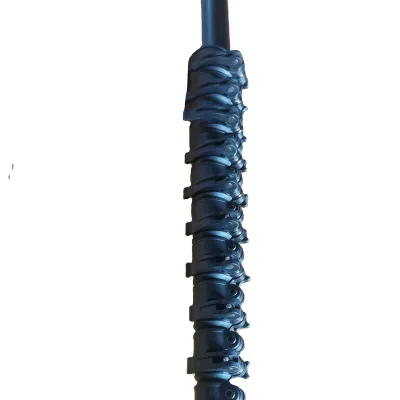
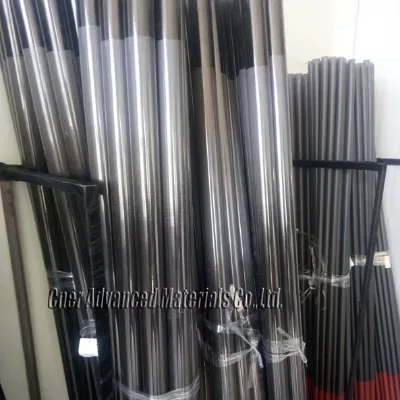
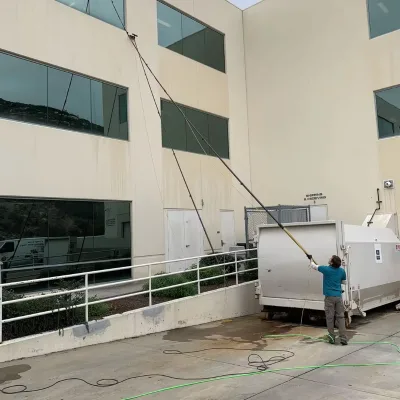
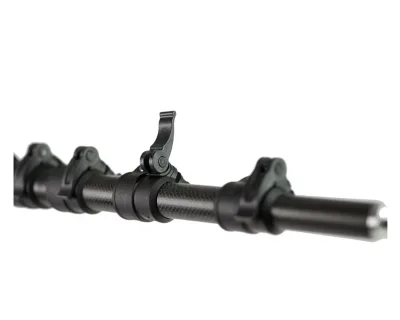
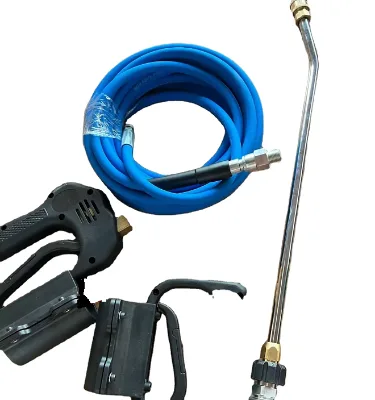
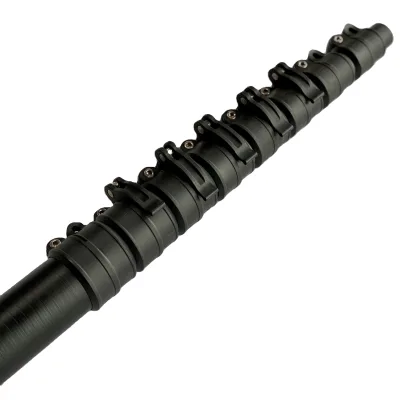


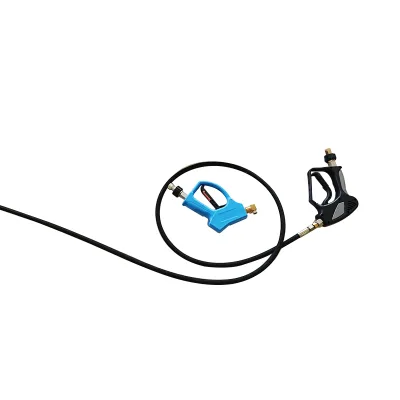


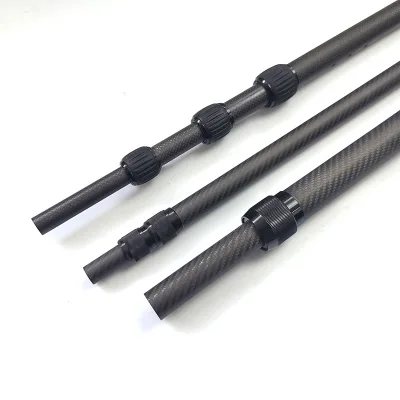


Comprehensive Sourcing Guide
Carbon Fiber Pressure Washing Pole Sourcing Guide
Procurement teams must first distinguish between fixed-height surveying poles and extendable pressure washing rods, as the supplied data reveals a mix of product types including 2-meter fixed units and telescopic models ranging from 3 to 60 feet. Buyers should verify that the specific listing matches the intended application, noting that some items are explicitly categorized for window cleaning or solar panel maintenance rather than high-pressure industrial washing. The presence of carbon fiber materials in both the inside and outside layers suggests a focus on lightweight durability, yet the specific mechanical properties vary from general to high-performance types depending on the model number.
When evaluating listings, it is critical to confirm the raw material composition, as the data indicates a split between pitch-based and polyacrylonitrile-based carbon fibers, which directly influences tensile strength and flexibility. Sourcing managers should not assume all carbon fiber poles share identical performance characteristics; instead, they must cross-reference the stated mechanical property, such as high-strength or wear-resistant types, against the specific pressure requirements of their cleaning operations. The observed price range of 1 to 800 USD reflects this diversity, requiring careful selection to ensure the purchased unit meets the necessary load-bearing and extension capabilities for the intended task.
Product Scope and Observed Listing Signals
Buyers should scrutinize the listed dimensions and extension capabilities, as the data shows significant variance with retract lengths under 1.7 meters and extend lengths reaching up to 60 feet. It is essential to match the specific model number, such as CFP2, CFP30, or XN-CF-TSCP1, to the operational need, since a 30cm specification clearly differs from a 35-foot telescoping rod. The presence of an adaptor size of 5/8 inches is a key signal for compatibility with standard pressure washer wands, but this must be verified against the specific equipment being used to prevent connection failures during high-pressure operations.
The packaging and origin details provide further insight into the product's intended logistics and handling requirements, with options ranging from simple cartons to robust wood boxes. Since the place of origin is consistently listed as China, specifically Shandong, buyers should anticipate standard international shipping protocols but must confirm the specific packing method to ensure protection against damage during transit. The observation of a 100% carbon fiber content alongside specific hydrogen content percentages suggests a focus on material purity, which buyers should treat as a quality indicator rather than a universal guarantee for all listed items.
Technical Specifications to Verify
Technical verification must begin with the physical dimensions and structural integrity, specifically checking the wall thickness and section count which are listed as 1.2mm and 11 sections respectively for certain models. Buyers need to ensure that the extend length, whether 3 meters or 60 feet, aligns with the maximum reach required for their specific cleaning scenarios, such as high-rise window washing or large-scale solar panel maintenance. The distinction between general and high-performance mechanical properties is vital, as it dictates the pole's ability to withstand the torque and pressure generated during active cleaning without bending or failing.
Material composition and surface finish are equally critical, with the data highlighting a nature surface finish and pure carbon construction that offers resistance to corrosion and wear. Procurement specialists should verify the working temperature range, noting that the listed normal operating conditions may not suffice for extreme environments, and confirm the net weight, which is approximately 4.7kg for specific configurations. The standard of 14m carbon telescopic rod or 35ft carbon fiber window cleaning rod serves as a reference point, but buyers must confirm that the actual product matches these specific length and application descriptors before finalizing the order.
Compliance and Safety Documentation
Safety documentation should focus on the stated standards and certifications, with the data explicitly mentioning SGS and ISO 9001 as relevant quality benchmarks for the manufacturing process. Buyers must request current test reports to validate that the carbon fiber tubes meet the high-strength and wear-resistant claims, particularly since the product is designed for demanding environments like window cleaning and washing. While the data lists ISO 9001, it is important to verify if the specific batch or model holds the more recent ISO 9001:2015 certification, as this ensures the manufacturer adheres to updated quality management systems.
Warranty and after-sales service terms are essential components of the safety and reliability framework, with the supplied facts indicating a standard 1-year warranty and available after-sales support. Procurement teams should clarify the scope of this warranty, specifically whether it covers material defects like delamination or structural failure under high pressure, and confirm the response time for service requests. The presence of an OEM standard suggests customization capabilities, but buyers must ensure that any custom modifications do not void the existing warranty or compromise the structural integrity of the carbon fiber assembly.
Cost Drivers and Commercial Terms
Cost analysis must account for the wide observed price range of 1 to 800 USD, which is driven by factors such as extend length, material purity, and the complexity of the telescoping mechanism. Buyers should recognize that higher costs often correlate with advanced features like the 60-foot extension or the use of pitch-based carbon fiber, which may offer superior strength-to-weight ratios compared to polyacrylonitrile-based alternatives. The minimum order quantity (MOQ) ranges from 1 to 200 units, allowing for flexibility in procurement strategies, but larger orders may unlock better pricing tiers that justify the investment in higher-specification models.
Commercial terms should include a detailed review of the packing specifications, as the choice between cartons and wood boxes impacts both the unit cost and the risk of transit damage. Since the product origin is China, buyers must factor in potential logistics costs and lead times, which can vary based on the specific model and the complexity of the customization requested. The availability of customization is a significant cost driver, and procurement managers should negotiate clear terms regarding the timeline and additional fees associated with customizing the pole length, adaptor size, or surface finish to meet specific operational needs.
Supplier Qualification and Quality Control
Supplier qualification requires a rigorous assessment of the manufacturer's ability to maintain consistent quality across different carbon fiber compositions, specifically the pitch-based and polyacrylonitrile-based variants. Buyers should verify the supplier's track record in producing high-performance and wear-resistant pipes, ensuring they have the necessary machinery and expertise to handle the precise manufacturing processes required for carbon fiber telescoping poles. The mention of a specific brand name, CNER, indicates a level of market presence, but buyers must still conduct independent due diligence to confirm the supplier's capacity to meet volume demands and quality standards.
Quality control protocols must be established to verify the mechanical properties and dimensions of each batch, ensuring that the 1.2mm thickness and 11-section design remain consistent across all units. Procurement teams should request sample testing to validate the net weight and extend length specifications, as these are critical for user safety and operational efficiency. The supplier's adherence to the listed standards, such as SGS and ISO 9001, should be confirmed through recent audit reports, ensuring that the manufacturing process is robust enough to prevent defects that could lead to failure during high-pressure cleaning operations.
Long-Term Procurement Checks
Long-term procurement strategies should include regular re-evaluation of the supplier's ability to maintain the specified material properties and mechanical performance over time. Buyers must monitor the consistency of the carbon fiber content and the structural integrity of the telescoping sections, as these factors are critical for the longevity of the equipment in demanding environments. The initial warranty period of one year provides a baseline for performance, but ongoing checks should focus on the supplier's responsiveness to any quality issues that arise after the warranty expires.
Sourcing managers should also track market trends and technological advancements in carbon fiber materials to ensure that the procured poles remain competitive and effective. As the industry evolves, the distinction between general and high-performance types may shift, requiring buyers to stay informed about new materials or manufacturing techniques that could offer better value. Regular communication with the supplier regarding updates to the product line, such as new model numbers or improved packing methods, will help maintain a reliable supply chain and ensure that the procurement strategy remains aligned with operational needs.
FAQs
How long can a carbon fiber pressure washing pole extend when fully telescoped?
Listed extend lengths on this page range from 3 meters to 25 meters, with other models reaching 35 feet or 60 feet. When choosing, confirm which section count supports the needed reach, since a 60-foot model uses 11 sections and weighs about 4.7 kilograms. Retract lengths stay under 1.7 meters on the 35-foot rod, which helps with transport and storage between job sites.
What materials are used inside and outside these carbon fiber telescopic poles?
The outer layer is carbon fiber, while the inner layer uses glass fiber on the surveying model. Some listings specify pitch-based carbon fiber and others polyacrylonitrile-based carbon fiber as raw materials, with one model stating 100 percent carbon content. Pitch-based and PAN-based fibers offer different strength and stiffness characteristics, so confirm which base fiber a specific model uses before ordering.
Which applications are these carbon fiber poles designed for beyond pressure washing?
Stated applications include antenna masts, surveying, and cleaning work such as window cleaning, solar panel cleaning, and washing. The working environment for one model explicitly covers window cleaning, solar panel cleaning, and washing tasks. Because pole models differ in extend length, adaptor fittings, and mechanical properties, match the model to the intended task rather than assuming every pole suits every use.
Can these carbon fiber pressure washing poles be customized for specific requirements?
Yes, customization is listed as available for the products on this page. Dimensions are specified as per request, so buyers can typically request tailored lengths, wall thicknesses such as the listed 1.2 millimeters, and fittings. The adaptor size is 5/8 inches on the surveying model, which matters when matching threaded accessories. Confirm customization scope, cost, and lead times directly with suppliers before placing an order.
What packaging options are used when shipping these telescopic poles?
Listed packing options include cartons, carton and wood box combinations, and wood box or carton choices depending on the model. Longer telescopic rods are usually better protected in wood boxes, while standard poles ship in cartons. One model is packed in cartons under an OEM standard. Ask suppliers to confirm the packing method for your specific pole length and order quantity before shipping.
What warranty and after-sales support come with these carbon fiber poles?
A one-year warranty is listed, and after-sales service is stated as available for these products. Coverage details such as what defects qualify and how claims are processed should be confirmed with the supplier at purchase. Products originate from China, with one listing specifying Shandong, so clarify warranty handling logistics for international orders. Standard references include SGS, ISO 9001, and OEM depending on the model.
How heavy are these poles during extended overhead cleaning work?
The 60-foot model is listed at about 4.7 kilograms net weight with 11 sections, which is manageable for extended overhead work. Weight depends on extend length, section count, and wall thickness such as the listed 1.2 millimeters. Carbon fiber construction keeps poles lighter than comparable aluminum, reducing operator fatigue during window cleaning or washing. Verify the net weight of the exact model and length you plan to order.
What mechanical properties do these carbon fiber telescopic poles offer?
Listings describe high-performance and high-strength type mechanical properties on some models, with others classified as general type. Raw materials include pitch-based and polyacrylonitrile-based carbon fiber, and poles are typed as wear-resistant pipe with a natural surface finish. Working temperature is listed as normal, so these poles suit standard ambient conditions. Match the strength class to your application, since heavy-duty washing demands higher-performance grades than light cleaning.